

We often feel a quiet hum of overwhelm in our homes, don’t we? It’s that subtle, persistent feeling that there’s always more to do, and sometimes, it feels like the weight of it all rests disproportionately on a few shoulders. Today, we’re going to gently explore how we can weave a beautiful tapestry of shared responsibility within our own households, creating a motivation plan that feels less like a burden and more like a shared, joyful endeavor. This isn’t about perfectly orchestrated schedules or rigid expectations. It’s about cultivating a spirit of partnership, recognizing that our homes are sacred spaces where we grow together.
We believe, at Angela Morris Coaching, that true freedom, deep joy, and lasting peace emerge when we align our actions with our deepest values. Fostering shared responsibility is a powerful pathway to that freedom, allowing each member of our family to contribute and feel valued, thereby strengthening our collective well-being.
Our homes are more than just buildings; they are living, breathing ecosystems. They are where we nurture, where we learn, and where we love. When we talk about building a motivation plan, we’re really talking about intentionally cultivating this sacred space so that everyone feels empowered to participate. It’s about recognizing the inherent value each person brings, from the smallest among us to the wisest elders.
Understanding Our “Why” Together
Before we start assigning tasks or creating lists, let’s take a quiet moment to understand why this matters to us. What is our shared vision for our home? Is it a place of calm? Of creativity? Of consistent love and support? When we connect our efforts to a larger, shared purpose – our family’s vision – motivation often follows naturally. We are like stewards of this space, entrusted with its care and growth.
Reflecting on Our Family Values
Let’s sit with this for a moment. What are the core values that define our family? Is it kindness? Diligence? Compassion? When we make these values visible, we create a foundation upon which our shared responsibilities can be built. This isn’t about judgment, but about a gentle alignment of our daily actions with the heart of who we are.
Envisioning a Thriving Home
Imagine your home thriving. What does that look and feel like? Is it laughter echoing through the halls? Is it a sense of peace when you walk through the door? This vision serves as our guiding star. It’s what we’re working towards, together.
In the pursuit of fostering shared responsibility within the home, it can be beneficial to explore related concepts that enhance motivation and collaboration among family members. A valuable resource on this topic is the article “Voices That Shape Us: Part 5,” which delves into the importance of communication and understanding in building a supportive environment. You can read more about it by visiting this link: Voices That Shape Us: Part 5. This article complements the ideas presented in “Fostering Shared Responsibility: Building a Motivation Plan for Your Home” by emphasizing the role of shared narratives in strengthening family dynamics.
Building Foundational Motivation: The Power of the “We”
When we start thinking in terms of “we” and “us,” we shift the energy from individual obligation to collective effort. This is where the magic happens. It’s about recognizing that no one person has to carry the entire load. We are a team, and every contribution, no matter how small, strengthens the whole.
The Role of Stewardship in Our Homes
Stewardship is a beautiful concept that applies to every aspect of our lives, including our homes. It means managing something entrusted to us with care and responsibility. When we see our homes as something we steward together, we are naturally inclined to ensure its well-being. This includes the physical space, the emotional atmosphere, and the overall functioning.
Caring for Our Shared Environment
We can begin by fostering a sense of collective care for our physical environment. This could be as simple as everyone taking responsibility for their own space, or collectively tidying a shared area. When we all play a part, the burden is lightened, and a sense of pride in our shared home emerges.
Nurturing Our Emotional Ecosystem
Our homes are also emotional ecosystems. Fostering shared responsibility here means being mindful of how our actions and words impact each other. It’s about creating a space where empathy and understanding are prioritized, and where we can lean on each other during challenging times. This is a deeply spiritual aspect of our shared lives.
Inspiring Contribution Through Connection
Motivation isn’t always about external rewards; often, it’s about connection and belonging. When we feel connected to our family and understand how our contributions benefit everyone, we are more likely to be motivated. This is particularly true for our younger family members.
Making it Personal and Meaningful
Let’s think about how we can make the “tasks” feel more personal and meaningful for each family member. Instead of just saying “clean your room,” we can explain why it’s helpful for everyone when our shared living spaces are tidy. Connecting actions to a larger purpose makes them feel less like chores and more like active participation in our family’s well-being.
Celebrating Small Wins Together
We need to celebrate the baby steps, the small victories. Did someone remember to put their dishes in the dishwasher without being reminded? That’s a win! Did the kids work together to clear the dinner table? That’s a beautiful moment of shared responsibility. These little acknowledgments fuel further motivation.
Designing Our Actionable Motivation Plan: Baby Steps and Rhythms

The idea of a “plan” can sometimes feel daunting, but at Angela Morris Coaching, we are all about practical, manageable rhythms. We believe in the power of consistent, small actions that build over time. This isn’t about achieving perfection overnight; it’s about creating sustainable habits that foster shared responsibility.
Identifying Areas for Shared Effort
Let’s take a gentle inventory of our household needs. Where do we see opportunities for shared effort? This could be in areas like meal preparation, tidying common spaces, managing laundry, tending to pets, or even contributing to our family’s errands.
The Gentle Art of Delegation
Delegation, when done with grace and understanding, is a powerful tool. It’s not about dumping work on someone, but about entrusting them with a piece of the family’s operation. As parents, we can start by delegating age-appropriate tasks. For younger children, this might be putting toys away. For teenagers, it could be taking on a specific meal prep day.
Creating Shared Routines
Routines are the backbone of manageable progress. Let’s think about creating simple, shared routines that weave naturally into our days. Perhaps it’s a “five-minute tidy-up” before bed, or a “kitchen reset” after dinner. These rhythms create predictability and a sense of shared ownership over our home’s order.
Visualizing Our Progress and Accountability
Accountability is not about punishment; it’s about mutual support and responsibility. When we can see our progress and hold each other gently accountable, it strengthens our commitment.
Our Family “Contribution Chart”
We can create a simple visual aid, perhaps a chart or a whiteboard, where family members can acknowledge their contributions. This isn’t a scoreboard, but a way to see how everyone is pitching in. It makes the invisible visible and reinforces the idea that we are all working together. This can be a beautiful reflection of our commitment to one another.
Regular Check-Ins: Our Sacred Conversations
Let’s create sacred space for regular check-ins. This could be a brief family meeting once a week, or even just a short chat at the dinner table. These are opportunities to acknowledge what’s working well, discuss any challenges, and adjust our plan as needed. It’s a time for open communication and mutual support, fostering accountability without judgment.
Practicing Patience and Grace
There will be days when our plan doesn’t go as smoothly as we’d hoped. That’s okay. This journey is about progress, not perfection. We need to extend grace to ourselves and to each other. This is where our faith can guide us, reminding us of the unending wellspring of compassion available to us.
Embracing the “Good Enough”
We don’t need a perfectly executed plan every single day. Sometimes, “good enough” is more than enough. It’s about the consistent effort, the willingness to try, and the foundational love that binds us. This aligns with the spirit of the Family First Prevention Services Act’s emphasis on keeping families together and supported, recognizing that perfection isn’t always the goal, but rather stability and love.
Learning and Adapting Together
Our motivational plans aren’t static documents. They need to evolve as our family grows and circumstances change. We need to be open to learning, adapting, and trying new approaches. This iterative process is key to sustainable shared responsibility, much like the ongoing efforts to strengthen foster care systems and recruit stable homes.
Fostering Genuine Freedom Through Shared Efforts
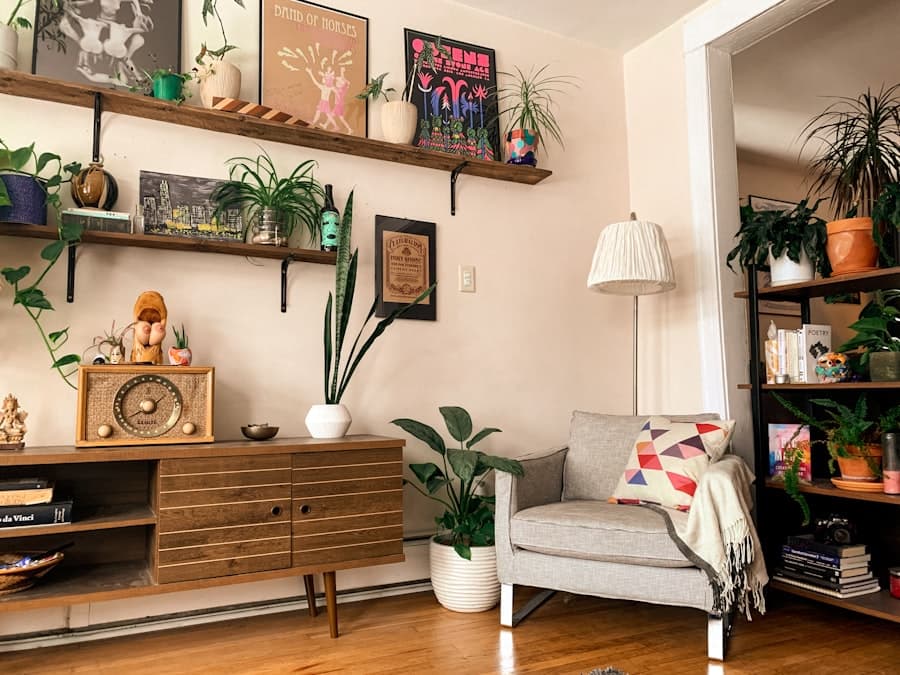
The ultimate goal of fostering shared responsibility is to create a home environment where everyone experiences genuine freedom. Freedom from undue burden, freedom to pursue their passions, and freedom to simply be themselves, knowing they are supported.
The Interconnectedness of Our Well-being
When we share the responsibilities of home, we are sharing in the creation of a more peaceful and joyful environment for everyone. This interconnectedness is deeply powerful. It’s like the threads of a beautiful quilt, each one essential to the integrity of the whole. This mirrors the idea that in foster care, the child’s well-being is paramount, and it’s achieved through a network of support.
Our Collective Joy as a Spiritual Practice
This act of working together, of contributing to the well-being of our family unit, can be a deeply spiritual practice. It’s a tangible way we live out our values and experience the joy of community. This isn’t just about getting things done; it’s about creating a foundation of love and mutual respect, much like the 4 Community-Centric Pillars of Foster Care—education, love, career ambition, and resilience—aim to build for children.
Practical Steps for Nurturing Motivation
Let’s distill this into some actionable steps we can take together, starting today.
- Vision Casting Session: Gather as a family, perhaps over a warm drink, and talk about what a thriving, joyful home looks like to each of us.
- Identify “Shared Tasks”: Brainstorm a list of household responsibilities that could be shared. Think about things everyone uses or benefits from.
- Age-Appropriate Delegation: Assign tasks based on age and ability, focusing on building skills and confidence.
- Create a Visual Family Chart: A simple chart or whiteboard to acknowledge contributions and track progress, focusing on effort and participation.
- Establish “Sacred Check-in” Times: Schedule brief, regular family meetings to discuss how things are going, offer support, and make adjustments.
- Celebrate Small Wins: Actively look for and acknowledge every effort and contribution, no matter how small.
- Practice Grace: Remind ourselves and each other that perfection isn’t the goal, and there will be learning moments.
- Focus on “Baby Steps”: Implement one or two new shared responsibilities at a time, allowing them to become comfortable rhythms before adding more.
In the journey of fostering shared responsibility within your home, it can be beneficial to explore various strategies that enhance motivation and collaboration among family members. A related article that delves deeper into personal growth and healing is available at Becoming Whole Again: Part 2, which discusses the importance of understanding oneself and others in the context of relationships. This resource can provide valuable insights that complement the motivation plan you are building for your household.
Embracing the Journey of Shared Responsibility
| Metrics | Data |
|---|---|
| Number of household members | 4 |
| Chores assigned per member | 3 |
| Frequency of family meetings | Once a week |
| Recognition system for completed tasks | Points system |
| Consequences for uncompleted tasks | Loss of privileges |
This journey of building a motivation plan for our homes is a continuous one. It’s a testament to our love and commitment to each other. By fostering shared responsibility, we are not just managing our homes; we are nurturing a vibrant community within our own walls, creating a space where genuine freedom, profound joy, and lasting peace can flourish. We are walking this path together, hand in hand, guided by faith and a practical desire to create the most loving and supportive home possible.
FAQs
What is a motivation plan for the home?
A motivation plan for the home is a structured approach to fostering shared responsibility and accountability among family members. It involves setting clear expectations, providing incentives for meeting goals, and creating a supportive environment for everyone to contribute to household tasks and responsibilities.
Why is it important to have a motivation plan for the home?
Having a motivation plan for the home helps to promote a sense of ownership and accountability among family members. It can lead to a more harmonious and organized household, where everyone feels valued and motivated to contribute to the overall well-being of the family.
What are some key components of a motivation plan for the home?
Key components of a motivation plan for the home may include setting specific goals and expectations, creating a system for tracking progress, providing rewards or incentives for meeting targets, and fostering open communication and collaboration among family members.
How can a motivation plan be implemented in the home?
A motivation plan can be implemented in the home by first identifying areas where shared responsibility and motivation are needed. Then, clear goals and expectations should be set, and a system for tracking progress and providing rewards should be established. Regular communication and support among family members are also essential for successful implementation.
What are the potential benefits of implementing a motivation plan for the home?
Implementing a motivation plan for the home can lead to increased cooperation and collaboration among family members, a more organized and efficient household, and a sense of pride and accomplishment for everyone involved. It can also help to instill important life skills and values in children, such as responsibility and teamwork.
